
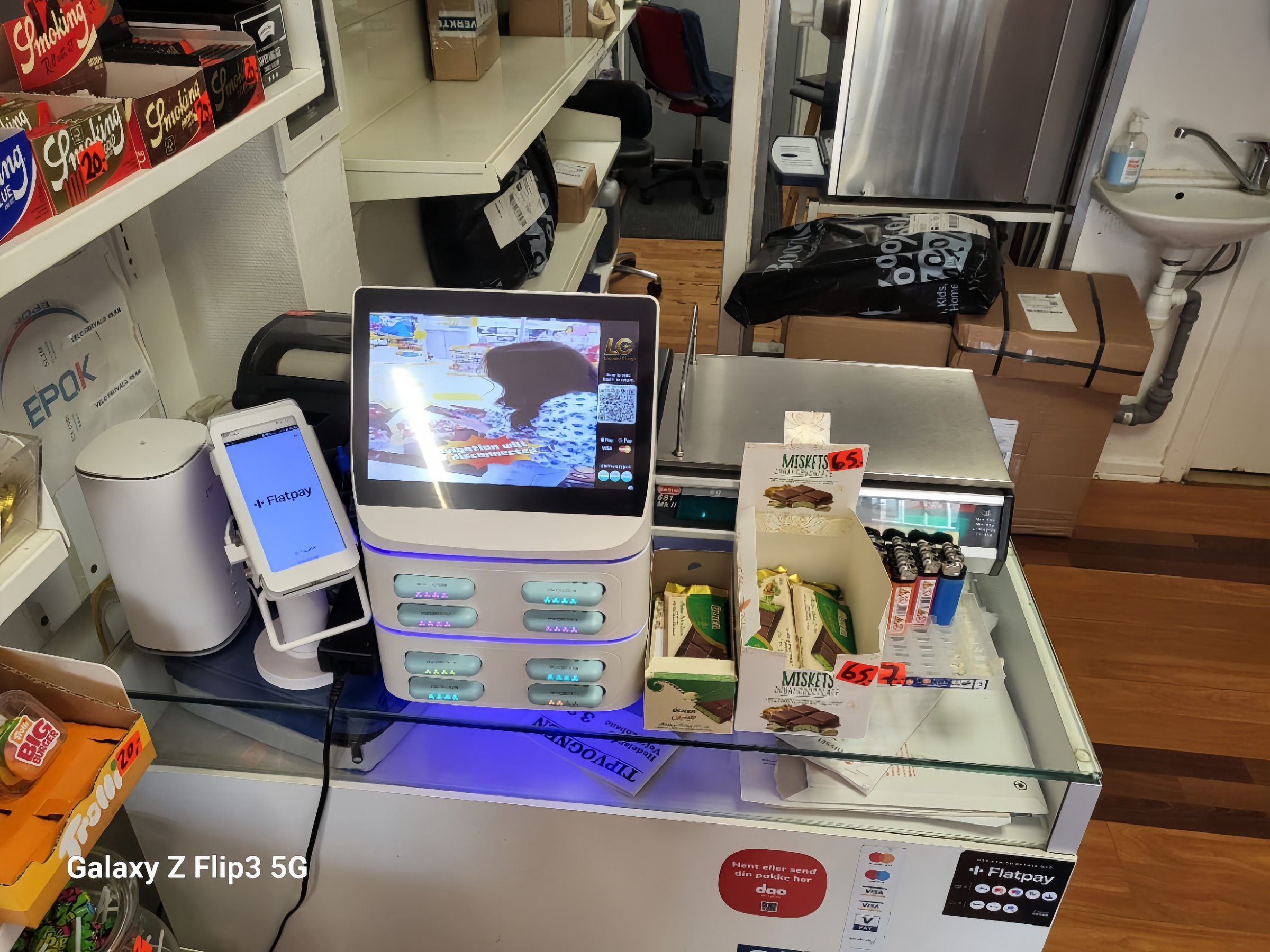
In today's increasingly competitive global retail market, brick-and-mortar retailers are facing challenges of declining foot traffic, shortened customer dwell time, and low conversion rates. The rise of e-commerce and shifts in consumer behavior have further squeezed the survival space of traditional offline retail.
In this challenging market environment, power bank rental services have quietly emerged as a "low-cost, high-stickiness, high-relevance" solution and have become an invisible engine for sales growth in offline retail scenarios. This article will explore how power bank rentals enhance customer experience, extend customer dwell time, and stimulate surrounding consumption, thereby injecting new vitality into retail business models.
The digital revolution has disrupted global offline retail. The rapid development of e-commerce, changes in consumer habits, and rising operating costs have brought brick-and-mortar stores the dilemma of "sharp decline in foot traffic" and "profit shrinkage."
1. Sharp Decline in Foot Traffic
Consumers are rapidly shifting to online shopping. Platforms like Amazon and eBay now account for more than 30% of total retail sales, and consumers are increasingly inclined toward a "discover-compare-purchase" shopping approach. According to Tech Today, 43% of Americans prefer online shopping. In 2023, brick-and-mortar store foot traffic decreased by 12% year-over-year, while online shopping frequency increased by 25%. This shift has led to shortened in-store dwell time, reduced repeat customers, and decreased in-store interaction levels.
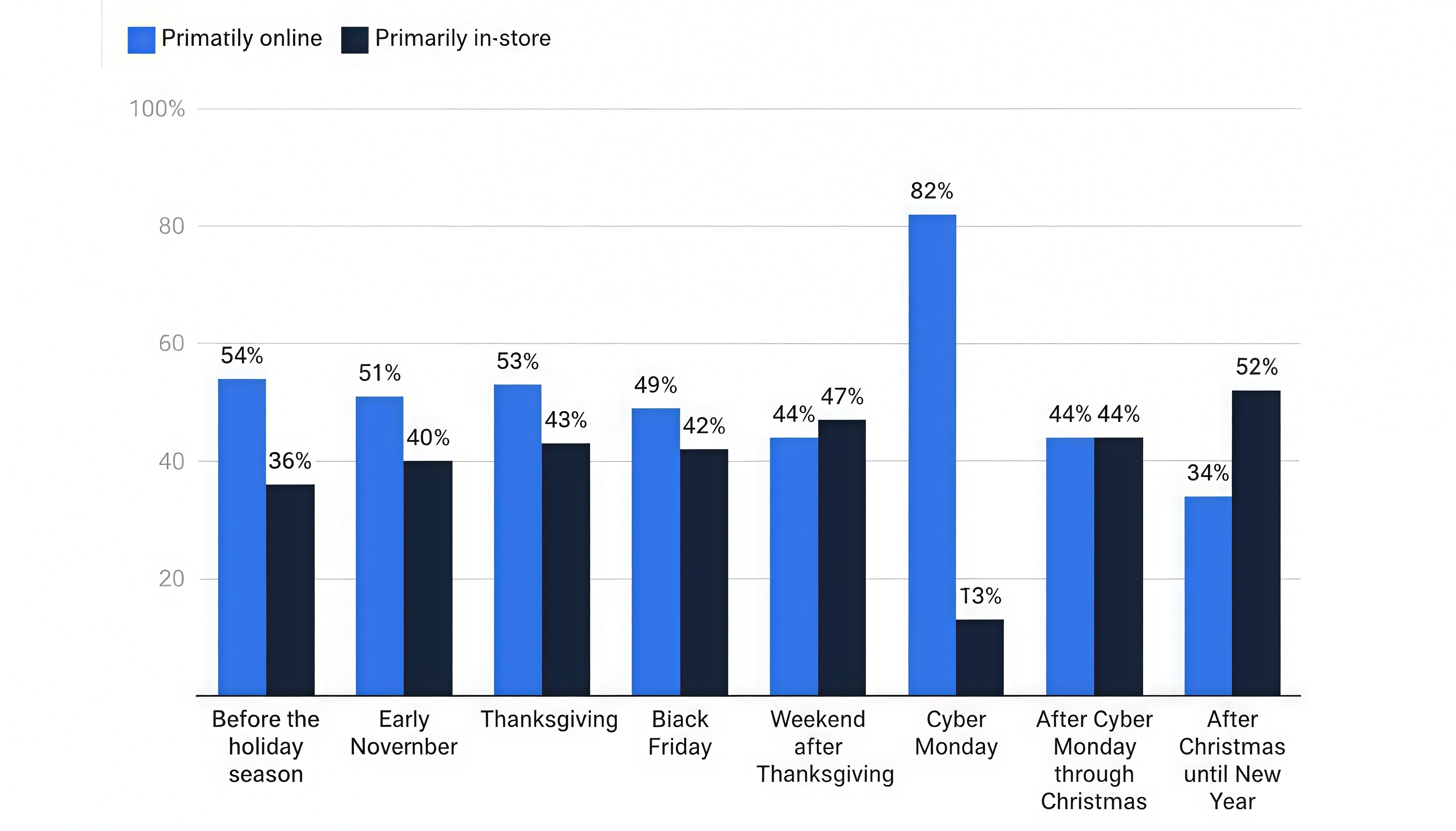
Online Shopping vs Offline Shopping Consumption Share Comparison
2. Rising Operating Costs
Offline retail faces the challenge of soaring rents, staffing, and inventory costs. For example, annual rents for shops on London's Oxford Street exceed £100,000, while shop rents on New York's Fifth Avenue reach as high as $2,000 per square foot per year. Meanwhile, countries like Germany have raised the minimum wage to €12.41 per hour in 2024. As a result, retailer profit margins have shrunk to below 5%, leading to closures of shops across Europe, even in prime locations.
3. Lack of Diverse In-Store Experiences
Traditional stores remain transaction-focused, emphasizing "sales" rather than interaction. A survey shows that 62% of consumers believe "there's no reason to stay in the store." Power bank rental services are reshaping this landscape by providing "basic services + social interaction."
As retail struggles, power bank rental services have emerged as a bridge connecting offline spaces with mobile-first consumers. This rapid growth is primarily driven by two core factors:
1. Growing Demand: The Era of Battery Anxiety
According to Statista, the number of active mobile devices worldwide in 2021 approached 15 billion, up from 14 billion the previous year. By 2025, this number is expected to reach 18.22 billion. However, battery technology development has failed to keep pace with this trend. Approximately 70% of consumers report feeling anxious when their phone battery is low, especially when shopping, dining, or entertaining. Power bank rental services directly address this pain point through the convenience of "instant charging, borrow and return anywhere, anytime."
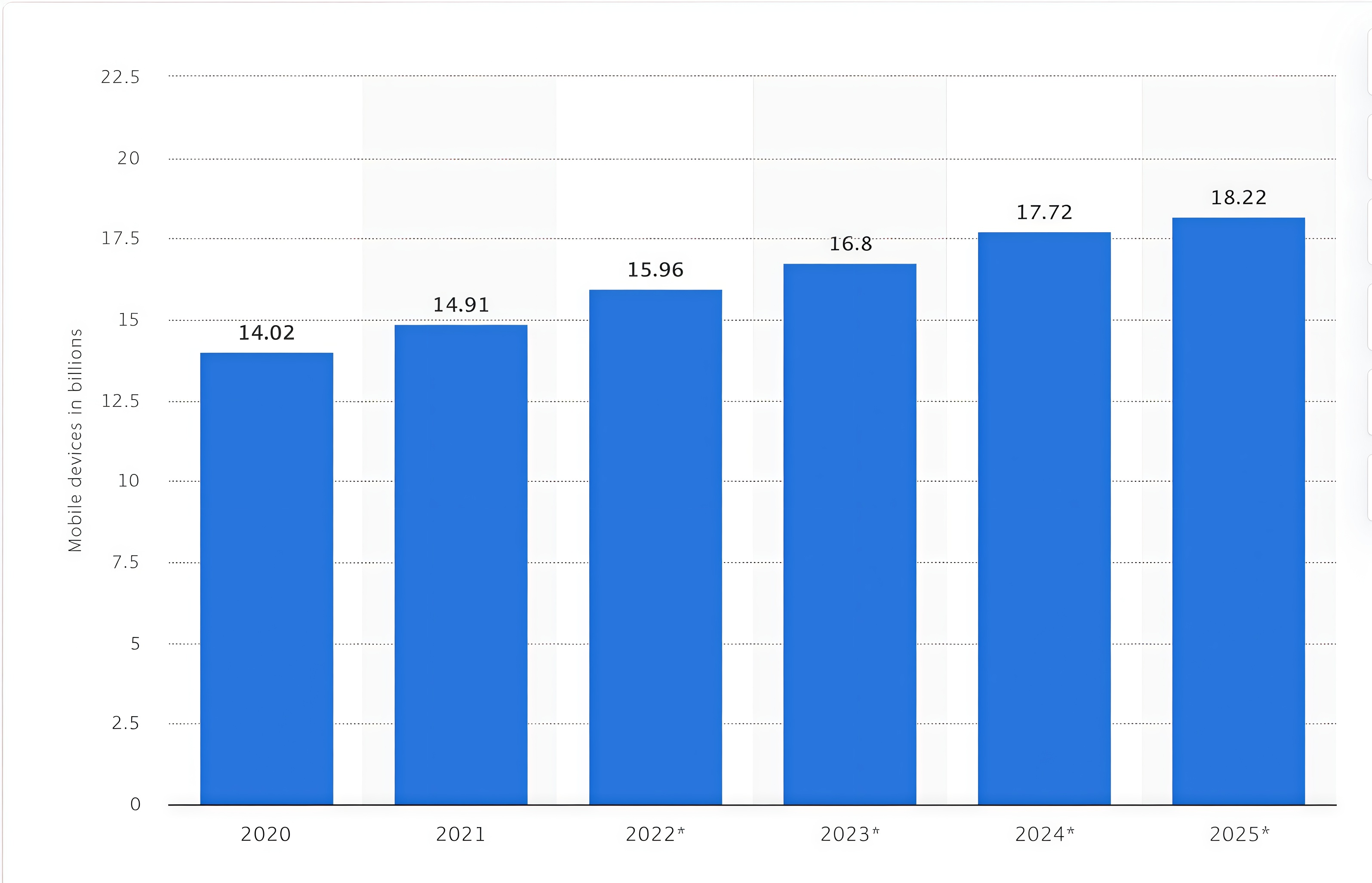
Forecast of Global Mobile Device Numbers from 2020 to 2025 (Unit: Billions)
Data Source: https://www.statista.com/statistics/245501/multiple-mobile-device-ownership-worldwide/
2. Business Model Innovation: From "Heavy Assets" to "Light Operations"
Early power bank rental services relied on deposits. New-generation providers like LC have eliminated deposits through credit scoring and achieved "unmanned intelligent management" using IoT. This significantly reduces operating costs. By partnering with retailers, shopping malls, and transportation hubs using revenue-sharing models, these providers rapidly scale in a win-win manner.
Power bank rentals not only solve urgent needs but also employ clever strategies to directly support retail sales:
1. Increase Customer Dwell Time
Setting up power bank rental points in malls or stores can encourage customers to extend their stay. When their phones run out of battery, they won't leave immediately but will look for rental points—this provides retailers with more opportunities to interact with customers and promote consumption.
2. Enhance Customer Experience
Rental services improve the overall shopping experience by solving customers' urgent needs. Satisfied customers are more likely to return and promote the store through word-of-mouth. Additionally, rental services can be combined with loyalty programs, offering exclusive discounts or points, thereby improving customer retention.
3. Enable Data-Driven Marketing
Rental services collect valuable user data, such as location, time, and usage frequency, helping retailers gain deep insights into customer behavior. Retailers can use this data to conduct targeted marketing campaigns, such as discount pushes or limited-time promotions, thereby improving conversion rates.
4. Create New Revenue Streams
In addition to promoting product sales, rental services themselves generate revenue. Retailers can earn commissions or rent space to suppliers. Nearby screens or stations can also serve as premium advertising spaces for brands.
5. Connect Online and Offline (O2O) Interactions
Power bank rental services promote the implementation of online-to-offline (O2O) strategies by guiding online users to physical stores. Consumers may see ads online, rent power banks at nearby stores, and then complete purchases in-store—effectively integrating online and offline retail channels.